Netzari Mashiach Judaism, THE WAY - back to the Tree of Life!
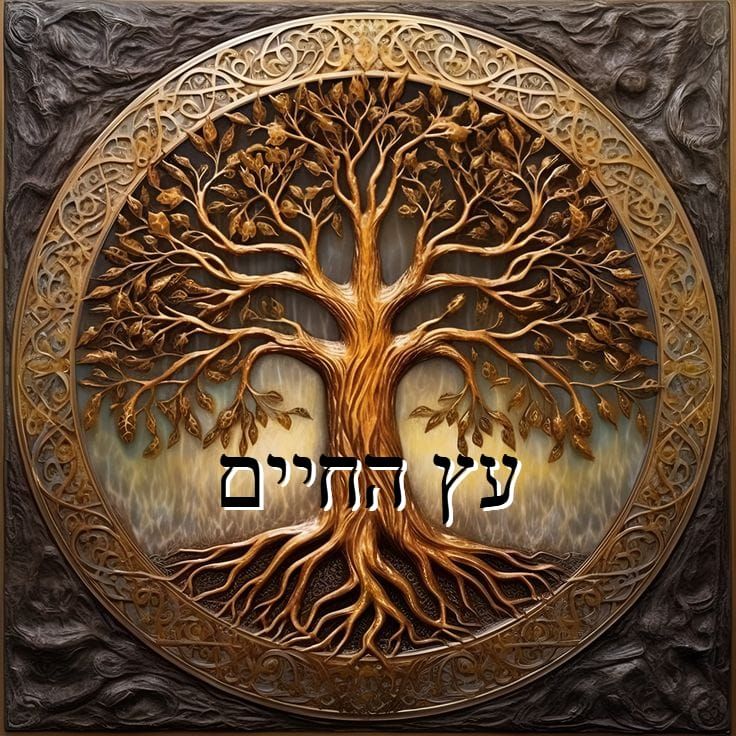
The WAY is not new — it is the ancient path of TORAH and having the faith of Y’hoshua HaMashiach, leading us back to the Tree of Life.
The way we can be sure we know him is if we are obeying his commands. Anyone who says, “I know him,” but isn’t obeying his commands is a liar—the truth is not in him. But if someone keeps doing what he says, then truly love for God has been brought to its goal in him. This is how we are sure that we are united with him. A person who claims to be continuing in union with him ought to conduct his life the way he did.
— 1 Yochanan [1 John] 2:3-6 (CJB)
Returning to the Ancient Path
Many have lost sight of HaDerek — THE WAY that leads back to the Tree of Life. What began as the living, Torah-rooted faith of Yisra’el has been altered over time into various religions that often separate themselves from the very foundations upon which it was built.
Netzari Mashiach Judaism seeks to restore that ancient path of truth — the Derek (Way), the Shamar (Guarding), and the Halakhah (Walking) — through obedience to TORAH and having the emunah of Y’hoshua HaMashiach.
Revelation reminds us:
“How blessed are those who wash their robes, so that they have the right to eat from the Tree of Life and go through the gates into the city.”
— Hitgalut [Revelation] 22:14 (CJB)
Sin first closed the way to the Tree of Life. But by the love of Avinu Y'hovah and our Rabbi, Savior, and Mashiach — Y’hoshua — restoration that restored access to our Father through Messiah's death and resurrection. Yet, many religious traditions today continue to obscure the path by ignoring Avinu's Word and redefining sin itself.
Understanding the Departure
Scripture defines sin plainly:
“Everyone who keeps sinning is violating TORAH — indeed, sin is violation of TORAH.”
1 Yochanan [1 John] 3:4 (CJB)
To ignore this definition is to misunderstand the very mission of HaMashiach. As Y’hoshua said:
. . .“Yes, indeed! Everyone who practices sin is a slave of sin.”
— Yochanan [John] 8:34 (CJB)
The prophet Yeḥezqel (Ezekiel) warned of a time when even priests or (teachers of the Word) would no longer distinguish between what is holy and what is profane:
Her cohanim have done violence to my TORAH, profaned my holy things, made no difference between the holy and the common, not distinguished between unclean and clean, hidden their eyes from my shabbats, and profaned me among themselves. Her leaders in it are like wolves tearing up the prey to shed blood and destroy people, in order to benefit unjustly.
— Yeḥezqel [Ezekiel] 22:26 (CJB)
The result is confusion — a message that claims the commandments were “done away with” or “nailed to the cross.” And others disregard the Renewed Covenant altogether. Yet this echoes the serpent’s ancient question: “Did He really say…?” (Berĕshith [Genesis] 3:1).
As Kefa wrote:
But among the people there were also false prophets, just as there will be false teachers among you. Under false pretenses they will introduce destructive heresies, even denying the Master who bought them, and thus bring on themselves swift destruction. Many will follow their debaucheries; and because of them, the true Way will be maligned. In their greed they will exploit you with fabricated stories. Their punishment, decreed long ago, is not idle; their destruction is not asleep!
2 Kefa [Peter] 2:1-3 (CJB)
Indeed, if they have once escaped the pollutions of the world through knowing our Lord and Deliverer, Yeshua the Messiah, and then have again become entangled and defeated by them, their latter condition has become worse than their former. It would have been better for them not to have known the Way of righteousness than, fully knowing, to turn from the holy command delivered to them.
2 Kefa [Peter] 2:20-21 (CJB)
Guarding, The Way, and The Walk
Throughout Scripture, three core Hebrew concepts describe the journey of covenant life:
- Shamar (Guard): to watch over, pay attention to, and be responsible for.
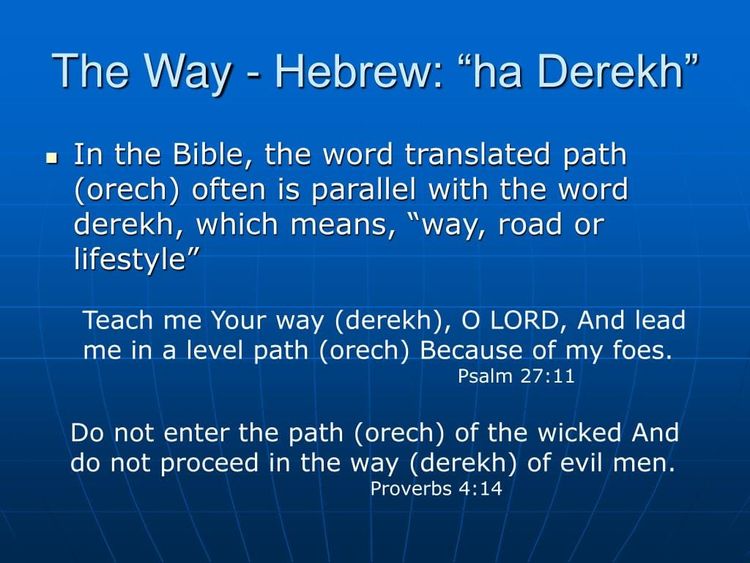
- Derek (The Way): the road or path of life — the divine direction of righteousness.
- Halakhah (Walk): our daily manner of living — to walk that path faithfully.
Kefa warned,
“Many will follow their debaucheries, and because of them, the true Way will be maligned.”
— 2 Kefa [Peter] 2:2 (CJB)
Even in the first century, HaDerek was misunderstood and rejected. This is Rabbi Shaul (Paul), who stated:
““But this I do admit to you: I worship the God of our fathers in accordance with the Way (which they call a sect). I continue to believe everything that accords with the Torah and everything written in the Prophets.”
Ma`asei (Acts) 24:14 (CJB)
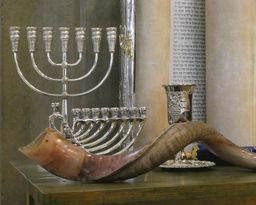 Rabbi Francisco Arbas
The early followers of Y’hoshua were known as Netzarim or — The Way — a continuation of Torah-faithful Judaism centered on the Word and fulfilled by the promised Mashiach, Y'hoshua. To outsiders at that time, it was seen as a sect of Judaism, not a new religion called Christianity.
The Guarded Path to the Tree of Life
When Adamah (Adam) failed to shamar — to guard — the command in Gan Eden, the way to the Tree of Life was closed:
“So He drove the man out, and He placed at the east of the garden of `Eden the k’ruvim and a flaming sword which turned in every direction to guard the way to the Tree of Life.”
— Berĕshith [Genesis] 3:24 (CJB)
Our task is to do what Adam did not: to shamar the Word of Y’hovah and halakhah in obedience.
“In order to obey the mitzvot of ADONAI (Y'HOVAH) your God which I am giving you, do not add to what I am saying, and do not subtract from it.”
— Devarim [Deuteronomy] 4:2 (CJB)
As Rabbi Sha’ul (Paul) wrote,
“So, my dear friends, just as you have always obeyed when I was with you, it is even more important that you obey now when I am away from you: keep working out your deliverance with fear and trembling.”
— Philippians 2:12 (CJB)
The goal is not hidden. It is clearly stated:
“Blessed are those guarding His mitzvot, that they may have the right to the Tree of Life, and may enter in through the gates into the city.”
— Hitgalut [Revelation] 22:14 (CJB)
Mashiach confirmed this when He said,
“Blessed rather are those hearing the Word of Elohim and guarding it.”
Luqas (Luke) 11:28 (CJB)
And David declared,
How happy are those whose way of life is blameless, who live by the TORAH of Y'HOVAH! How happy are those who observe his instruction, who seek him wholeheartedly! They do nothing wrong but live by his ways. You laid down your precepts for us to observe with care. May my ways be steady in observing your laws. Then I will not be put to shame, since I will have fixed my sight on all your mitzvot.”
— Tehillim [Psalm] 119:1-6 (CJB)
 Rabbi Francisco Arbas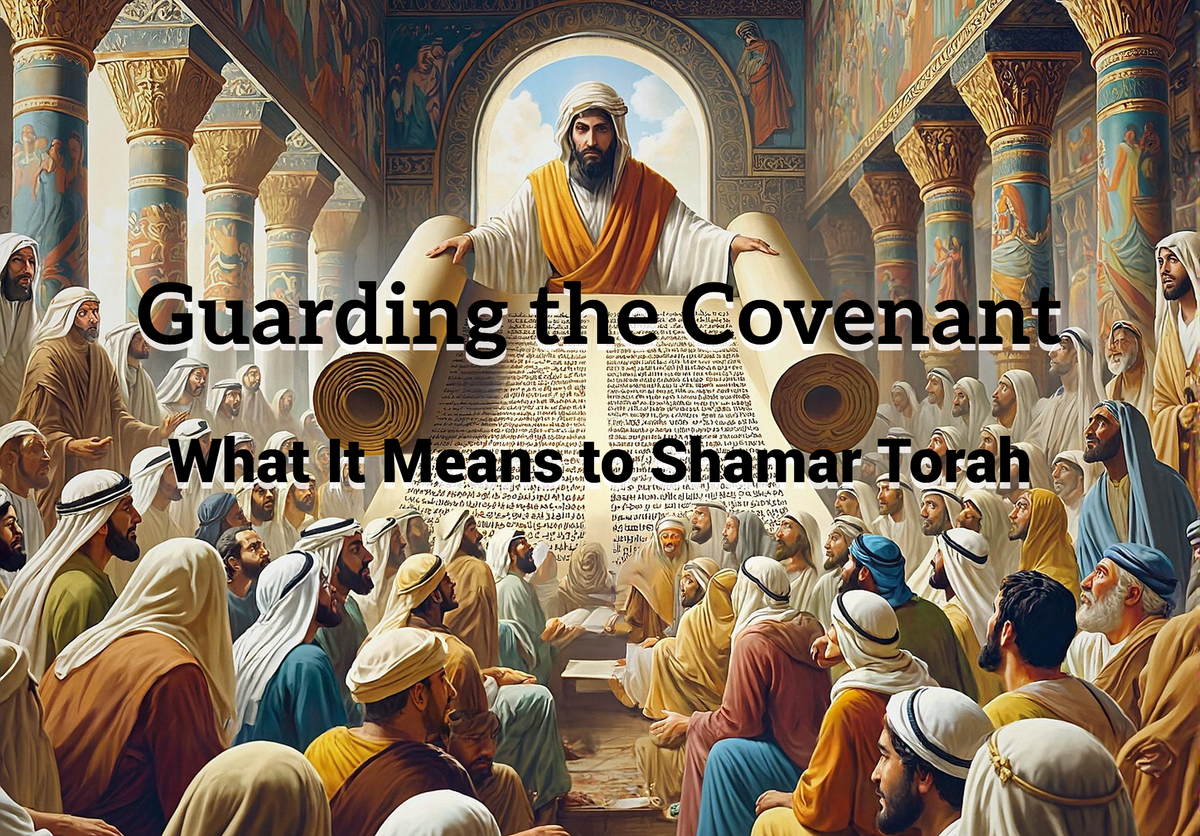
The Beauty of TORAH (His Instructions)
TORAH is described in Tehillim [Psalm] 19:7–11 as perfect, pure, true, righteous, and sweeter than honey. Far from bondage, Torah is the divine halakhah — the instruction for how to live.
The Torah of Y'HOVAH is perfect, restoring the inner person. The instruction of Y'HOVAH is sure, making wise the thoughtless. The precepts of Y'HOVAH are right, rejoicing the heart. The mitzvah of Y'HOVAH is pure, enlightening the eyes. The fear of Y'HOVAH is clean, enduring forever. The rulings of Y'HOVAH are true, they are righteous altogether, more desirable than gold, than much fine gold, also sweeter than honey or drippings from the honeycomb. Through them your servant is warned; in obeying them there is great reward.
Tehillim [Psalm] 19:7–11 (CJB)
Yet today, many label these treasures as “legalism,” “works,” and "old" testament, misunderstanding that TORAH and grace are not enemies but partners in covenant life. Grace empowers obedience; it does not excuse disobedience.
Mal’akhi reminded Israel’s teachers and Rabbis:
“A cohen’s lips should safeguard knowledge, and people should seek TORAH from his mouth, because he is the messenger of Y'HOVAH-Tzva’ot. But you turned away from the path, you caused many to fail in the TORAH, you corrupted the covenant of Levi,” says Y'HOVAH-Tzva’ot. “Therefore I have in turn made you contemptible and vile before all the people, because you did not keep my ways but were partial in applying the TORAH.”
— Mal’akhi [Malachi] 2:7–9 (CJB)
Still, the true talmidim (disciple) of our Rabbi HaGadol Y’hoshua recognize HaDerek — the narrow way few will find:
But it is a narrow gate and a hard road that leads to life, and only a few find it.
Mattithyahu (Matthew) 7:14 (CJB)
“This is when perseverance is needed on the part of Y'hovah’s people, those who observe his commands and exercise Y'hoshua’s faithfulness.”
— Hitgalut [Revelation] 14:12 (CJB)
The Way Is Not New
Rabbi Y’hoshua and His talmidim did not establish a new religion. Rabbi restored the ancient path:
“Don’t think that I have come to abolish the TORAH or the Prophets. I have come not to abolish but to complete. Yes indeed! I tell you that until heaven and earth pass away, not so much as a yud or a stroke will pass from the TORAH—not until everything that must happen has happened.”
— Mattityahu [Matthew] 5:17–18 (CJB)
The talmidim gathered in the book of Acts chapter 2 were already celebrating Shavuot, or what some call today, Pentecost — an appointed time of Y’hovah — just as their fathers had done since Sinai (Acts 7:38). The assembly of Yisra’el existed 100's or more than a 1000 years before the church of Rome or the modern Christian religion.
Netzari Mashiach Judaism stands in the same emunah (faith) as Avraham, Yitz’chak, and Ya’akov — walking the Derek and Halakhah of our Rabbi HaGadol, Y'hoshua, that brings us back to the Tree of Life.
“Stand at the crossroads and look; ask about the ancient paths — which one is the good way? Take it, and you will find rest for your souls.”
— Yirmeyahu [Jeremiah] 6:16.

The Covenant Belongs to Israel
The covenant was made with Yisra’el alone, not the church, and the church didn't replace Yisra'el, yet through the emunah of Mashiach, the goyim (nations) are invited to be grafted into (Yisra'el).
“But if some of the branches were broken off, and you—a wild olive—were grafted in among them and have become equal sharers in the rich root of the olive tree, then don’t boast as if you were better than the branches! However, if you do boast, remember that you are not supporting the root, the root is supporting you.”
— Romiyim (Romans) 11:17-18 (CJB)
*Without TORAH (His instruction from the New and Old Covenants), there are no covenants.
*Without covenants, there is no definition of sin, which leads to lawlessness.
*Without being born again and discipleship, there can be no restoration.
“For this is the covenant I will make with the house of Isra’el after those days,” says Y'HOVAH: “I will put my TORAH within them and write it on their hearts; I will be their Elohei , and they will be my people.”
— Yirmeyahu [Jeremiah] 31:33 (CJB)
This is HaDerek — the Way back to life, covenant, and truth.
Rabbi Francisco Arbas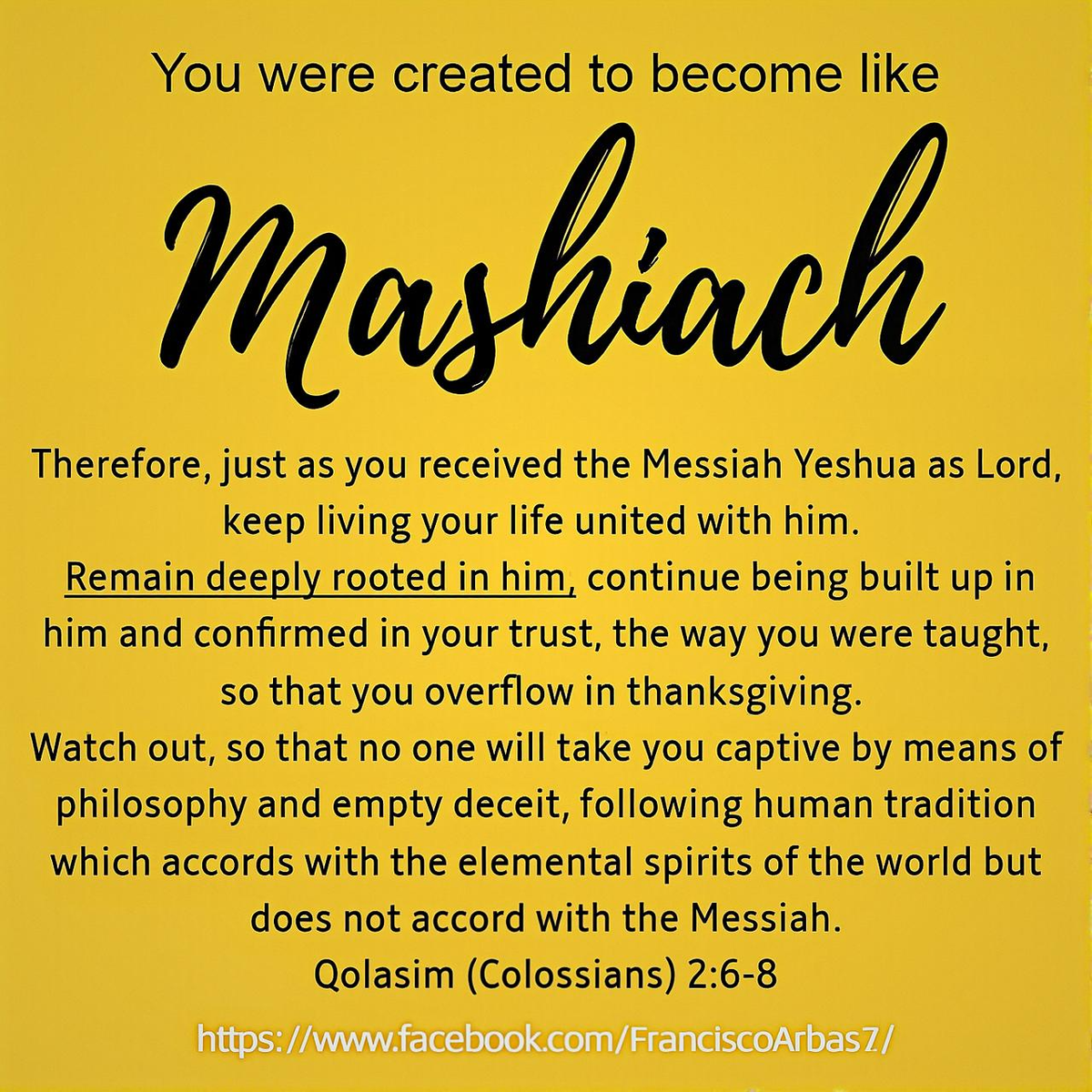
Returning to the Tree of Life
Every Word that proceeds from Y’hovah’s mouth gives life.
“Man does not live on bread alone, but on every word that comes from the mouth of Y’hovah.”
— Mattityahu [Matthew] 4:4
TORAH is not simply the law or (the 5 books of Moshe)— it is ALL of His instructions (the whole Bible), it's Avinu’s teaching for righteous living. It defines the walk of His people and reveals the path back to the Tree of Life.
May we pray for all who love Y’hoshua and His soon coming, to return to this ancient path — to guard (shamar), walk (halakhah), and live according to HaDerek, the true Way that leads to life eternal.
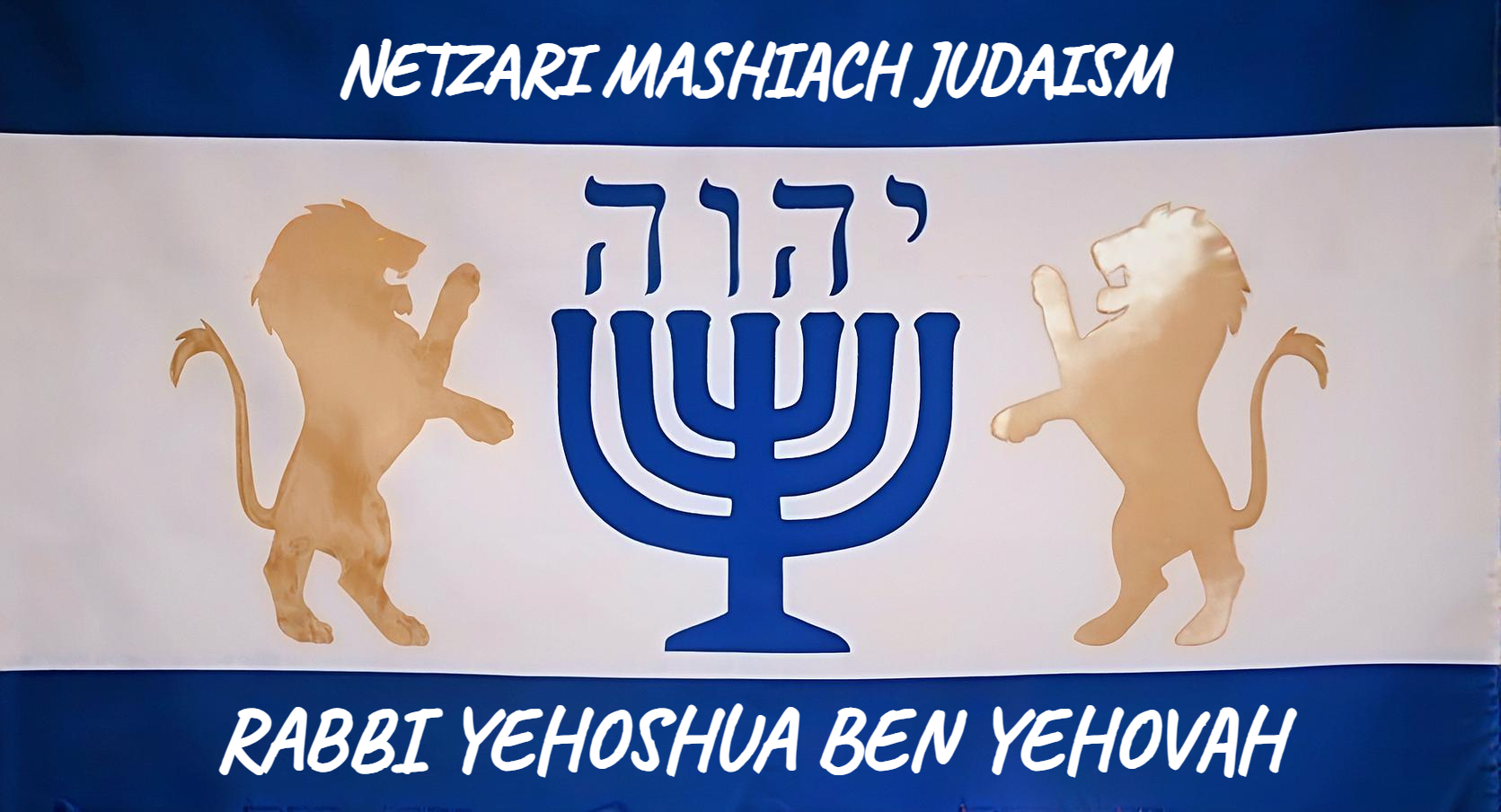
We give it a simple name that helps to separate us from the rest: Netzari Mashiach Judaism (Nazarene Messiah's Judaism). Not a RELIGION. But the Emunah of Mashiach. Hitgalut [Revelation] 14:12 (CJB)
I first published this article on 8/31/2025. It has been renewed.
By Francisco Arbas
📜Email: rabbi@netzarim-talmidim.org
Following His ‘WAY’ ✡ Netzari Mashiach Judaism

Comments ()